Skip to content
Home remodeling on the South Shore comes with a specific set of priorities. Homes need to handle coastal weather, make the most of natural light, and feel open without losing structure.
In 2026, that’s showing up in cleaner layouts, more durable materials, and design choices that connect indoor and outdoor spaces without overcomplicating the build. The goal isn’t to chase trends. It’s to create spaces that hold up over time and still feel right for the area.
This guide covers the remodeling ideas that are actually working for South Shore homes right now.
Top Home Renovation Trends in South Shore

Remodeling trends on the South Shore are shifting toward practical upgrades that improve how homes function in a coastal environment. That means opening up key living areas, using materials that hold up to moisture and salt air, and creating better transitions between indoor and outdoor spaces.
These changes aren’t just about appearance. They make homes easier to live in and more durable over time.
Open Layouts and Functional Living Spaces
Open layouts remain a leading trend, creating versatile spaces that encourage connection and flexibility. Removing unnecessary walls improves flow, while integrated living areas maximize usable square footage. These layouts allow homeowners to personalize arrangements, adapt rooms to changing needs, and enjoy a more spacious, welcoming environment that supports both everyday living and entertaining.
Indoor‑Outdoor Living Integration
Blending indoor and outdoor spaces is an increasingly popular choice. Large sliding doors, bi‑fold windows, and outdoor features like kitchens or patios create seamless transitions. Natural light enhances interiors, while extended outdoor areas provide space for relaxation and entertaining. This integration delivers a balanced lifestyle, combining comfort, functionality, and the region’s coastal appeal.
Energy Efficiency and Sustainable Materials
Sustainability is shaping renovation choices, with homeowners prioritizing eco‑friendly materials and energy‑efficient upgrades. Solar panels, efficient appliances, and proper insulation reduce utility costs while lowering environmental impact. Incorporating natural light and durable, sustainable finishes enhances comfort and health. These improvements not only benefit the planet, but also increase long‑term property value, making them smart investments for modern living.
Modern Coastal Design Ideas That Actually Work on the South Shore
Coastal design on the South Shore isn’t about trends. It’s about making the space feel open, durable, and easy to live in. That usually means lighter finishes, materials that handle moisture, and layouts that bring in more natural light without overexposing the home.
Simple changes like wider windows, cleaner wall finishes, and a more restrained material palette can make a space feel brighter and more functional without adding unnecessary detail.
Light Color Palettes and Natural Textures
Soft whites, sandy beiges, and pale blues establish a calming coastal vibe. Pairing these tones with natural textures like driftwood, rattan, and linen adds warmth and depth. This combination creates inviting interiors that feel connected to the shoreline, offering both tranquility and timeless appeal while ensuring your home reflects the natural beauty of its surroundings.
Large Windows and Natural Light Optimization
Expansive windows transform coastal homes by maximizing natural light and framing outdoor views. Floor‑to‑ceiling designs or strategically placed openings enhance ventilation and reduce reliance on artificial lighting. These features create bright, airy interiors while seamlessly connecting indoor spaces with the outdoors, making your home feel more open, welcoming, and in harmony with its coastal environment.
Minimalist Design with Coastal Influences
Minimal design works well on the South Shore because it keeps the space open and easy to maintain. Lighter colors, simple finishes, and fewer materials help reflect natural light and prevent the room from feeling heavy. Instead of layering in decorative elements, focus on a few durable materials that hold up in a coastal environment. Clean lines and functional furniture keep the space usable, while the lighter palette helps the room feel brighter throughout the day.
Coastal Home Interior Design: Blending Style and Function

On the South Shore, interior choices need to handle moisture, sand, and everyday wear. That means using durable finishes, moisture-resistant materials, and practical storage that keeps spaces easy to maintain.
The goal is simple: a home that looks clean but also holds up over time.
Moisture‑Resistant Materials for Longevity
Durability is key in coastal homes, where humidity and salt exposure are constant. Choosing moisture‑resistant materials like fiberglass, marine‑grade plywood, and stainless steel fixtures ensures long‑lasting performance. These options protect structural integrity while maintaining visual appeal. By prioritizing resilience, homeowners create stylish retreats that withstand environmental challenges and remain functional for years without costly repairs or replacements.
Flooring and Finishes for Coastal Conditions
Flooring needs to handle moisture, sand, and daily wear. Materials like porcelain tile and luxury vinyl hold up well and are easy to maintain. Lighter finishes help keep the space feeling open, but durability should come first. If you want to bring in wood tones, it’s better to use them as accents rather than primary flooring in high-moisture areas.
Smart Storage Solutions for Modern Living
Storage matters more on the South Shore because clutter builds up fast. Built-ins, under-stair storage, and simple multi-use pieces help keep everything contained without taking up extra space. The goal isn’t more storage. It’s better-placed storage that keeps the main living areas clear and easy to use.
Key Areas to Focus on in a Home Remodeling Project
South Shore home remodeling projects succeed when homeowners prioritize kitchens, bathrooms, and additional spaces. Each area offers opportunities to enhance comfort, functionality, and property value while reflecting coastal design.
Kitchen Remodeling with Coastal Design Elements
Coastal kitchens emphasize light, airy colors like whites and blues paired with natural materials such as driftwood and stone. Open shelving highlights decor, while large windows invite natural light. Adding beach‑inspired accents completes the look, creating a serene, functional space that blends style with coastal charm and elevates your South Shore home’s overall appeal.
Bathroom Upgrades for Comfort and Resale Value
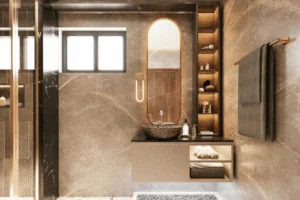
Bathroom renovations boost both comfort and resale value. Modern fixtures, quality tiles, and efficient lighting enhance usability, while features like soaking tubs or double vanities add luxury. Incorporating coastal elements, such as soothing palettes and natural textures, creates a relaxing atmosphere. These upgrades ensure your bathroom feels inviting while appealing to potential buyers.
Basement and Additions in Coastal Homes
Basement renovations or home additions expand living space and increase value. Transform basements into guest suites, offices, or entertainment areas. Additions like sunrooms or second stories enhance lifestyle and functionality. Prioritize natural light, durable materials, and coastal themes to harmonize with surroundings, ensuring your South Shore home remains both practical and visually appealing.
How to Plan a Successful Home Remodeling Project in South Shore
Planning a remodeling project requires preparation. Budgeting, navigating the permitting process, and choosing experienced contractors ensure smooth execution, helping homeowners achieve their vision while avoiding delays and unexpected costs.
Setting a Realistic Budget and Timeline
Budgeting and timelines are critical for remodeling success. Start by assessing finances and setting comfortable limits. Break projects into phases with clear deadlines, accounting for potential delays or hidden costs. This proactive approach ensures smoother progress, keeps expenses under control, and helps homeowners achieve their remodeling goals without unnecessary stress or financial surprises.
Navigating Local Permits and Regulations
Understanding permits and regulations prevents costly setbacks. Contact local zoning offices to confirm requirements for construction, electrical, or plumbing changes. Compliance ensures smoother progress and avoids fines. Familiarizing yourself with these rules before starting saves time, reduces stress, and guarantees your project aligns with legal standards while staying on schedule.
Working with Experienced Local Contractors
Hiring skilled local contractors ensures remodeling success. Research reputations, schedule consultations, and evaluate communication. Reviewing references and past projects builds confidence in their expertise. With the right team, homeowners achieve efficient, high‑quality results, turning remodeling visions into reality while minimizing risks. Local experience also ensures familiarity with regional styles and regulations.
Why Hiring a Professional Remodeling Company Matters

For successful home remodeling, hiring a professional company in the South Shore is essential. Experts bring design knowledge, access to quality materials, and proven project management skills. Their guidance prevents costly mistakes, keeps projects on schedule, and ensures challenges are handled efficiently. With professionals managing the details, homeowners gain peace of mind and enjoy a smoother, more rewarding renovation experience.
Get a Free Quote for Your South Shore Home Remodeling Project
Frequently Asked Questions
1. What Is the Average Cost of Coastal Home Renovations in the South Shore?
The average cost of coastal home renovations typically ranges from $100 to $300 per square foot, depending on materials and complexity. You should consider your budget and desired upgrades when planning your project.
2. How Do I Choose the Right Materials for Coastal Remodeling?
When choosing materials for coastal remodeling, you should prioritize durability and moisture resistance. Opt for weather-resistant options like fiberglass and stainless steel, and consider light colors to reflect sunlight and create a breezy atmosphere.
3. What Permits Are Needed for Home Remodeling in the South Shore?
When remodeling your home in the South Shore, you’ll need to check local regulations. Typically, you’ll require building permits, zoning approvals, and possibly environmental permits. It’s best to consult with your local authority to guarantee compliance.
4. How Long Does a Typical Remodeling Project Take?
A typical remodeling project usually takes anywhere from a few weeks to several months, depending on the scope and complexity. You’ll want to factor in design, permits, and contractor availability when planning your timeline.
5. Can I Live in My Home During Renovations?
You can often live in your home during renovations, but it depends on the scope of the project. Temporary discomfort might arise, so be prepared for noise, dust, and limited access to certain areas. Plan accordingly!