Skip to content
Step 1 – Plan the Layout
Before diving into the installation process, it’s essential to plan the layout of your downstairs shower carefully. Start by measuring the available space and considering the placement of the shower, door, and any additional fixtures. Make sure there’s proper drainage and accessibility. Visualize the design, keeping both functionality and aesthetics in mind, to create an efficient and inviting shower area.
Step 2 – Install Plumbing Lines
With the layout planned, it’s time to focus on installing the plumbing lines for your basement shower. Start by measuring the distance from your existing water lines to the location of the shower. Use PVC or copper pipes, depending on your preference. Connect the hot and cold water lines, ensuring they are correctly fitted. Don’t forget to install a drain line that leads to your main sewer system.
Step 3 – Build the Shower Base
The shower base is essential for durability and proper drainage. Begin by leveling the floor where the shower will sit, ensuring a stable foundation. Apply mortar to create a solid base, shaping it with a slight slope toward the drain to prevent standing water. Allow the mortar to cure completely before proceeding. This step provides structural strength, supports the shower floor, and ensures water flows efficiently, protecting your basement from leaks and long term moisture damage.
Step 4 – Waterproof and Frame Walls
Waterproofing and framing the walls is essential for creating a durable and moisture resistant shower space in your basement. Start by applying a waterproof membrane to the walls, ensuring full coverage. Next, frame the walls with moisture-resistant studs and secure them properly. Don’t forget to leave space for plumbing and electrical work. This foundation will support your basement shower installation and help prevent water damage in the future.
Step 5 – Add Finishes and Fixtures
With the structure complete, it’s time to add finishes and fixtures that bring your shower to life. Select tiles for the walls and floor that match your style while offering durability and easy maintenance. Install the showerhead, faucet, and controls securely, testing for proper function. Add a shower door or curtain for added privacy and a polished look. These finishing touches transform the space into a comfortable, stylish, and fully functional basement shower that feels both modern and inviting.
Design Tips for Basement Showers
Designing a shower for your basement requires striking a balance between functionality and comfort, while addressing the unique challenges of below-ground spaces. Brighten the room with light colored tiles and strategically placed mirrors to create a sense of openness. Always use waterproof materials to protect against moisture and invest in efficient, layered lighting to enhance visibility.
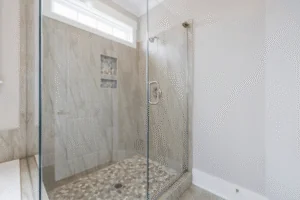
Proper ventilation is essential for preventing mold and mildew; therefore, include an exhaust fan or venting system. Finally, incorporate smart storage solutions, such as recessed shelves or corner units, to maintain organization.
Cost of a Basement Bathroom Remodel
The cost of remodeling a basement bathroom varies widely depending on size, design choices, and the complexity of plumbing or electrical work. On average, homeowners spend between $5,000 and $15,000; however, high end finishes or custom layouts can significantly increase costs.
To create a realistic budget, break down expenses into categories such as plumbing, fixtures, flooring, and labor. This approach helps identify where to save or splurge, ensuring your remodel strikes a balance between affordability and long term durability, ultimately delivering overall value.
Work with a South Shore Bathroom Remodeling Expert
Working with a basement bathroom remodel expert in the South Shore can make your basement shower installation project much smoother and more efficient. They’ll help you navigate local building codes, recommend quality materials, and manage the timeline. Plus, their experience means fewer surprises along the way. Collaborating with a professional ensures that your bathroom ideas come to life while maintaining both functionality and style in your new space.
Turn Your Basement Into a Beautiful Bathroom Space
Ready to add a shower or full bathroom to your basement? Our South Shore bathroom remodeling team specializes in waterproof, durable, and stylish basement bathroom upgrades.
Frequently Asked Questions
1. Do I Need a Permit to Install a Basement Shower?
You’ll likely need a permit to install a basement shower, depending on your local building codes. Check with your municipality to guarantee you meet all requirements and avoid potential fines or complications.
2. What Type of Shower Is Best for a Basement?
When choosing a shower for your basement, consider a prefabricated unit. It’s easy to install, space efficient, and resistant to moisture. A corner shower or walk in design maximizes your area while ensuring functionality and style.
3. How Do I Handle Basement Shower Drainage?
To handle basement shower drainage effectively, you’ll need a sump pit and a pump. Ensure a proper slope for pipes, connect them to the main sewer line, and verify compliance with local codes. Regular maintenance prevents clogs and issues.
4. Can I Install a Shower Without Professional Help?
Yes, you can install a shower without professional help if you have basic plumbing skills and follow proper guidelines. Ensure that you research local codes, gather the necessary tools, and ensure proper drainage to avoid future issues.
5. What Are Common Plumbing Challenges in Basement Shower Installations?
When installing a basement shower, you’ll face challenges like drainage issues, low water pressure, and potential plumbing code violations. It’s essential to plan carefully and guarantee proper ventilation to avoid future problems.
Thinking about installing a basement shower? It’s a smart way to add convenience, functionality, and value to your home. Before you start, though, it’s essential to evaluate your space and plumbing setup to ensure everything works as it should. Careful planning of the layout and proper moisture control are key to preventing future issues.
With the proper preparation and understanding of the process, you can achieve a seamless installation that looks great and performs well. Can a basement bathroom have a shower? Absolutely, as long as the necessary systems and permits are in place to support a safe and reliable installation. So, what should you know before getting started? Let’s take a look now!
Why Add a Shower to Your Basement?
Adding a shower to your basement transforms an underutilized area into a functional oasis, increasing both convenience and home value. Whether you are planning a full basement bathroom remodel or just need an extra shower for guests, this upgrade makes your home more livable. Partnering with a professional for basement shower installation ensures the job is done correctly, blending style with practicality.
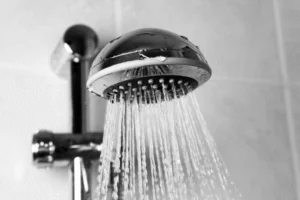
Key Considerations Before Installing a Basement Shower
Enhancing your home requires careful planning. Trusted South Shore home renovation services can help handle the complexities of plumbing and layout. Before starting, consider factors like drainage, ceiling height, and moisture control. Professional basement finishing services can guide you through how to remodel a basement with a bathroom safely, ensuring all local codes are met.
When adding a bathroom to the basement, it’s important to plan for drainage, electrical work, and moisture protection. Addressing these factors early helps prevent costly issues later and ensures your shower is both functional and long lasting.
Check Plumbing and Drainage
When you’re planning to install a shower in your basement, checking the plumbing and drainage is essential to avoid future headaches. Ensure your existing plumbing can handle the additional load and confirm that there’s adequate drainage. Look for any leaks, blockages, or issues with water pressure. A thorough inspection now can save you time, money, and frustration later on.
Ensure Proper Waterproofing
Once you’ve confirmed your plumbing and drainage are up to par, the next step involves ensuring proper waterproofing for your basement shower. Use a high-quality waterproof membrane on the walls and floor to prevent moisture seepage. Seal joints and corners meticulously, and apply a waterproofing sealant where necessary. This will protect your basement from water damage and mold growth, ensuring a safe, functional shower space.
Ventilation is a Must
Proper ventilation is essential for any basement bathroom installation, as it helps prevent moisture buildup and mold growth. Consider installing an exhaust fan to circulate air and reduce humidity levels effectively. Additionally, adding windows or vents can enhance airflow. Ensure the ventilation system is powerful enough to handle the steam produced during showers, keeping your basement fresh and dry.
Choose the Right Shower Type
Choosing the right shower type for your basement is crucial to guarantee functionality and comfort. Consider factors like space, water supply, and drainage options. A corner shower can save space, while a walk-in option offers accessibility. Also, consider the materials and styles that complement your basement’s aesthetic. Ultimately, your choice should enhance the overall usability and appeal of your basement.
Step by Step Guide to Putting a Shower in a Basement
Step 1 – Plan the Layout
Before diving into the installation process, it’s essential to plan the layout of your downstairs shower carefully. Start by measuring the available space and considering the placement of the shower, door, and any additional fixtures. Make sure there’s proper drainage and accessibility. Visualize the design, keeping both functionality and aesthetics in mind, to create an efficient and inviting shower area.
Step 2 – Install Plumbing Lines
With the layout planned, it’s time to focus on installing the plumbing lines for your basement shower. Start by measuring the distance from your existing water lines to the location of the shower. Use PVC or copper pipes, depending on your preference. Connect the hot and cold water lines, ensuring they are correctly fitted. Don’t forget to install a drain line that leads to your main sewer system.
Step 3 – Build the Shower Base
The shower base is essential for durability and proper drainage. Begin by leveling the floor where the shower will sit, ensuring a stable foundation. Apply mortar to create a solid base, shaping it with a slight slope toward the drain to prevent standing water. Allow the mortar to cure completely before proceeding. This step provides structural strength, supports the shower floor, and ensures water flows efficiently, protecting your basement from leaks and long term moisture damage.
Step 4 – Waterproof and Frame Walls
Waterproofing and framing the walls is essential for creating a durable and moisture resistant shower space in your basement. Start by applying a waterproof membrane to the walls, ensuring full coverage. Next, frame the walls with moisture-resistant studs and secure them properly. Don’t forget to leave space for plumbing and electrical work. This foundation will support your basement shower installation and help prevent water damage in the future.
Step 5 – Add Finishes and Fixtures
With the structure complete, it’s time to add finishes and fixtures that bring your shower to life. Select tiles for the walls and floor that match your style while offering durability and easy maintenance. Install the showerhead, faucet, and controls securely, testing for proper function. Add a shower door or curtain for added privacy and a polished look. These finishing touches transform the space into a comfortable, stylish, and fully functional basement shower that feels both modern and inviting.
Design Tips for Basement Showers
Designing a shower for your basement requires striking a balance between functionality and comfort, while addressing the unique challenges of below-ground spaces. Brighten the room with light colored tiles and strategically placed mirrors to create a sense of openness. Always use waterproof materials to protect against moisture and invest in efficient, layered lighting to enhance visibility.
Proper ventilation is essential for preventing mold and mildew; therefore, include an exhaust fan or venting system. Finally, incorporate smart storage solutions, such as recessed shelves or corner units, to maintain organization.
Cost of a Basement Bathroom Remodel
The cost of remodeling a basement bathroom varies widely depending on size, design choices, and the complexity of plumbing or electrical work. On average, homeowners spend between $5,000 and $15,000; however, high end finishes or custom layouts can significantly increase costs.
To create a realistic budget, break down expenses into categories such as plumbing, fixtures, flooring, and labor. This approach helps identify where to save or splurge, ensuring your remodel strikes a balance between affordability and long term durability, ultimately delivering overall value.
Work with a South Shore Bathroom Remodeling Expert
Working with a basement bathroom remodel expert in the South Shore can make your basement shower installation project much smoother and more efficient. They’ll help you navigate local building codes, recommend quality materials, and manage the timeline. Plus, their experience means fewer surprises along the way. Collaborating with a professional ensures that your bathroom ideas come to life while maintaining both functionality and style in your new space.
Turn Your Basement Into a Beautiful Bathroom Space
Ready to add a shower or full bathroom to your basement? Our South Shore bathroom remodeling team specializes in waterproof, durable, and stylish basement bathroom upgrades.
Frequently Asked Questions
1. Do I Need a Permit to Install a Basement Shower?
You’ll likely need a permit to install a basement shower, depending on your local building codes. Check with your municipality to guarantee you meet all requirements and avoid potential fines or complications.
2. What Type of Shower Is Best for a Basement?
When choosing a shower for your basement, consider a prefabricated unit. It’s easy to install, space efficient, and resistant to moisture. A corner shower or walk in design maximizes your area while ensuring functionality and style.
3. How Do I Handle Basement Shower Drainage?
To handle basement shower drainage effectively, you’ll need a sump pit and a pump. Ensure a proper slope for pipes, connect them to the main sewer line, and verify compliance with local codes. Regular maintenance prevents clogs and issues.
4. Can I Install a Shower Without Professional Help?
Yes, you can install a shower without professional help if you have basic plumbing skills and follow proper guidelines. Ensure that you research local codes, gather the necessary tools, and ensure proper drainage to avoid future issues.
5. What Are Common Plumbing Challenges in Basement Shower Installations?
When installing a basement shower, you’ll face challenges like drainage issues, low water pressure, and potential plumbing code violations. It’s essential to plan carefully and guarantee proper ventilation to avoid future problems.